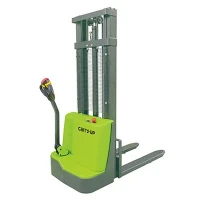

The manual hydraulic pallet truck - also known as a manual pallet jack - operates by inserting its load-bearing forks into the openings of a pallet. It utilizes a manually operated hydraulic system to lift and lower palletized goods, and is manually pulled to execute transport tasks. It is one of the simplest and most common tools used for loading, unloading, and transporting palletized cargo.
1. Select the appropriate hydraulic fluid based on the specific operating environment. When the ambient temperature ranges from -5°C to +45°C, please use synthetic hydraulic oil. Ensure that the added fluid is clean to prevent any interference with the proper functioning of the hydraulic system.
2. Before use, inspect all structural components to ensure they are in good working order, and check all connection points to verify that there are no loose parts.
3. Goods should be distributed evenly across the surface of the forks; avoid tilting the load to one side or lifting it using only a single fork, as this may damage the equipment components or lead to accidents caused by the cargo tipping over.
4. Upon completion of operations, unload the cargo and lower the truck to its lowest position; do not leave heavy loads resting on the forks for extended periods.
5. During transport, the pallet truck may be inverted, potentially allowing air to enter the hydraulic system. This can result in slow piston rod lifting or a failure to achieve the required working pressure. To resolve this, place the truck in its lowest position while unloaded; then, hold the release lever and pump the handle several times to restore normal operation.